Showing posts with label healing with herbs. Show all posts

Monday, May 17, 2010

Tasty kisses

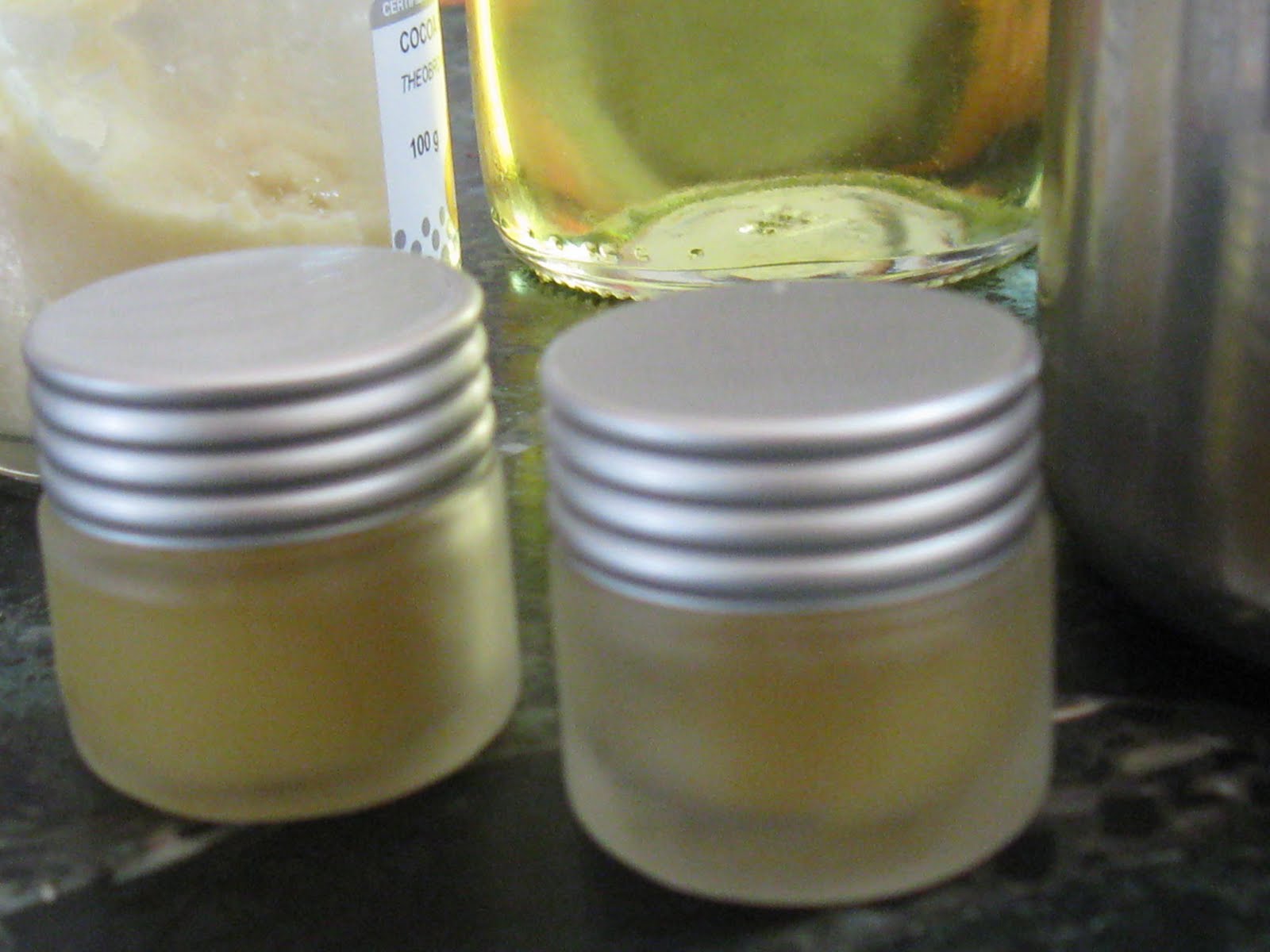
Extreme heat, cold or wind can make us all suffer from dry, cracked lips.If you have made ointment,you can make a very good lip balm that will protect and moisturise. The formula and method is almost the same.
Ingredients
15g beeswax beads
5gm cocoa, shea or mango butter
60ml oils of choice, see below* 
1/2 teaspoon glycerine


Gently heat together the first three ingredients until combined.
Do not overheat.
Cool slightly before whisking in the glycerine. This is made easier if you warm it slightly by placing the whole bottle in a mug of hot water before measuring.
Pour into small jars while still soft.
The lip balm may be flavoured by adding one or two drops ONLY of peppermint or spearmint essential oil before pouring.

Nerys once gave a an after dinner mint version of this for Christmas to which she had added chocolate buttons. It was good enough to eat and made me consider how many chemicals I had ingested from wearing lipstick over the years!

*The oils you use is for you to choose.  Almost any fixed (seed) oil can be used but do include either almond, olive or jojoba and some wheat germ for its vitamin E. Any oil suitable for eating can be used but these three are especially good for dry skin. Beware of using nut oils for people who may have allergies. I have one client who is gluten intolerant and insists on cream that doesn't wheatgerm oil.

In summer you may like to increase the amount of beeswax slightly if the balm becomes too soft in the hotter weather. You can also add a half teaspoon of warmed honey or aloe juice combined with the glycerine if you need to heal badly cracked lips. Don't be tempted to try to add too much as it will separate out of the mixture, sitting on the bottom as healthy sludge!

Sunday, March 8, 2009

Spices Rare and Wonderful


Whole nutmeg
The birds discovered the peacharines the day before I was ready to pick so we stripped the tree, leaving the damaged fruit for them to finish. In a small garden it is difficult to net the trees so we are used to sharing. This crossbred tree produces huge juicy fruit that are like peaches without the fuzz but not great keepers. I knew that there would be more invisible bird holes that would turn to bruises in the next few days.

I didn’t have much time before work, so after carefully cutting around the damage and peeling a few sad peaches with the last few wrinkly plums, I put a large pot of fruit on to stew. When cool, I mix this with an equal amount of muesli and let it soak Bircher style in the fridge. With yoghurt, it is a quick and sustaining breakfast.

Some of the damaged peacharines were not quite ripe but I thought that they would pickle well in sweet and sour syrup. In typical Virgo style, my two herb and spice racks are sorted alphabetically with the overflow in a small basket in the pantry so I knew fairly quickly I had no whole star anise. It was early on a Saturday morning but we live in a trendy tourist town with a good variety of stock so I dispatched the cavalry on a mission. He returned with a very disappointing packet of broken, obviously second grade, star anise.

It got me thinking – last week we had to beg and borrow ground turmeric – there was none in the shops. We have become very blasé about using ingredients from all around the world. What would we use if they become the expensive rarities they once were? Consider that the plants that produce these may take years to reach maturity; the effort that it takes to grow, harvest and process them and the thousands of kilometers they may need to be shipped to reach us. Consider too, the exciting range of Australian spices and flavourings that there are to discover.

Cinnamon Bark

We need to show care and respect for these precious seeds, buds, nuts and leaves that give us such intense bursts of the concentrated tastes of the tropics if we choose to use them. It is best to buy smaller amounts unless you use lots. Store them in glass screw top jars away from heat and light and spices should stay viable for a year or more. Whole spices have the longest shelf life. If you can keep an electric coffee grinder exclusively to use for spices, you will be delighted by the difference. Vanilla pods seem to keep best tightly wrapped in plastic wrap and kept in the fridge. If you manage to buy a lot cheaply, make your own vanilla essence, using the method for tinctures from Nerys’ book: Healing with Herbs, the method is the same. Candle nuts, like other nuts, are best kept in the freezer until needed.


When your spices no longer have that WOW! Factor when you open the lid or grind them, its time to throw them out. Their warming properties will be useful when added in small amounts to chicken mash, especially in winter, when it is traditional to add copious amounts of pepper! Otherwise, add to the compost. Save whole spices as a filler for pot pourris – they absorb and hold essential oils wonderfully. A handful of whole spices on a fire will give up the last of their fragrance to a room. Better if you buy bulk then share with your friends, you’ll never waste any!