Tuesday, May 18, 2010

Reading, writing, eating

It rained most of the weekend, with that dreary drizzle that doesn't seem much until you go out in it. How perfect it was for the 'Words Uncorked' Readers and Writer's Festival this weekend. Everyone was more than happy to be inside luxuriating in provocative debate, stimulating discussions, impassioned readings, wine and food and, being Margaret River, more wine and food.

Most creative endeavor is a lonely pursuit and living in the country adds to that isolation. We were lucky enough to sit with Tony and Maureen Wheeler, founders of Lonely Planet, authors Robert Drewe, Stephen Scourfield, rap artist Miles Merrill, editors, publishers and writers too numerous to name individually. Visitors came from the city and one couple on bikes were from Switzerland.
White haired retirees sat behind young women knitting, and a girl with dreadlocks rapped along side trendily dressed high school students and shy young men who rode bikes. Drawn together with the love of the written word, the mood was mellow, participants gently excited at the beginning of each session, passionate in their applause as it finished.          
What struck me most was the respect that expressed itself in  considered attentiveness: in the way people made room for each other to speak, move and participate as equals. The event was warm and welcoming to everyone. Heading out into the damp cool Sunday night felt a little like leaving family. I am lucky enough to live here, so I see these people often. The visitors I will carry with me as words I can revisit at anytime. The joy of connection is only a book away.


I was inspired to write a poem:


I hold my breath silent between words
Grey heads lean forward, hands clasped in supplication
A barrel altar of leaves trumpet fiery red
Drawing the eye, not the ear, aside 
Words, the last sigh of autumn
Drift on the carpet below


Go well,
nirala

Monday, May 17, 2010

Tasty kisses

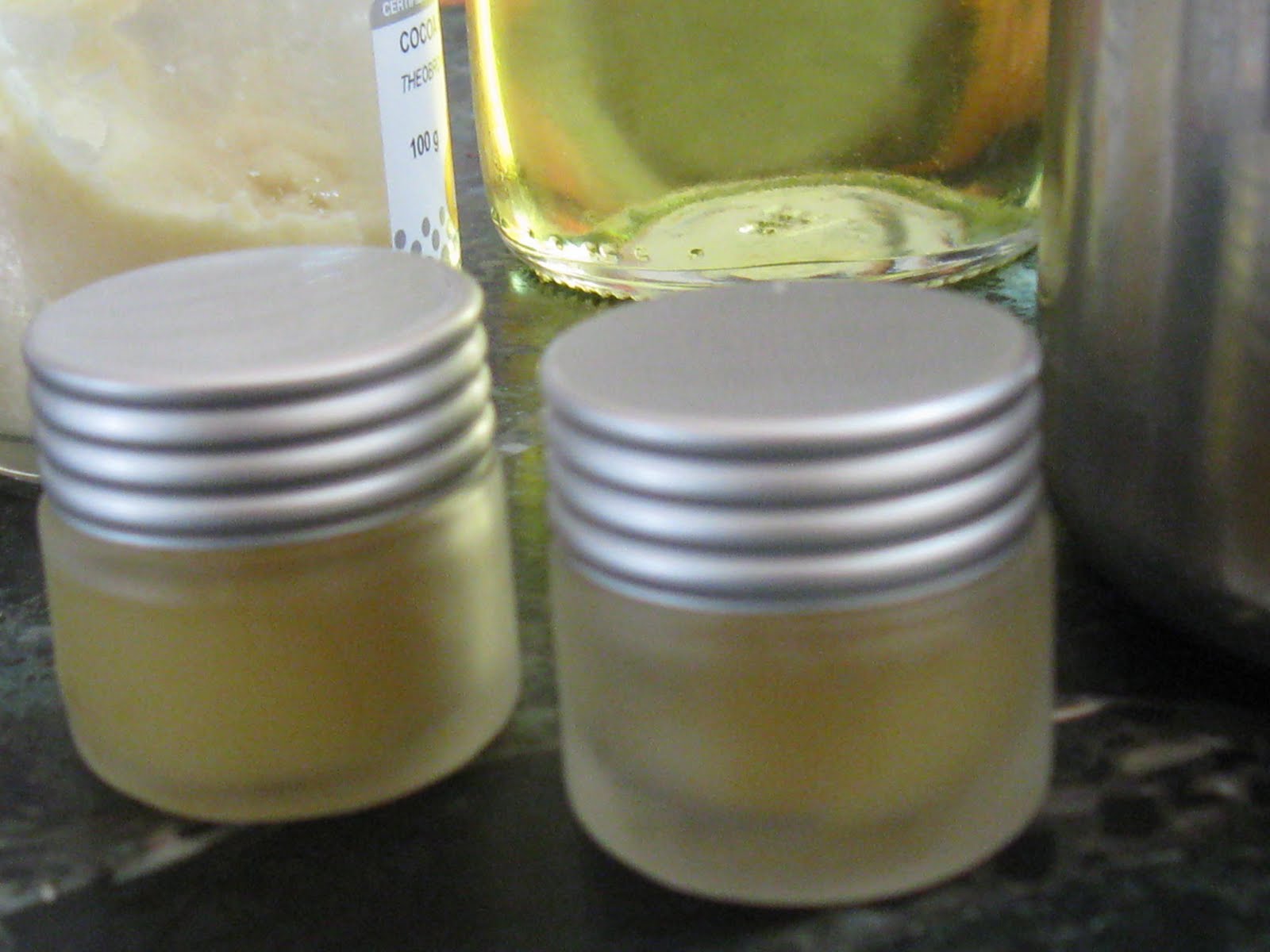
Extreme heat, cold or wind can make us all suffer from dry, cracked lips.If you have made ointment,you can make a very good lip balm that will protect and moisturise. The formula and method is almost the same.
Ingredients

15g beeswax beads
5gm cocoa, shea or mango butter
60ml oils of choice, see below* 
1/2 teaspoon glycerine


Gently heat together the first three ingredients until combined.
Do not overheat.
Cool slightly before whisking in the glycerine. This is made easier if you warm it slightly by placing the whole bottle in a mug of hot water before measuring.
Pour into small jars while still soft.
The lip balm may be flavoured by adding one or two drops ONLY of peppermint or spearmint essential oil before pouring.

Nerys once gave a an after dinner mint version of this for Christmas to which she had added chocolate buttons. It was good enough to eat and made me consider how many chemicals I had ingested from wearing lipstick over the years!

*The oils you use is for you to choose.  Almost any fixed (seed) oil can be used but do include either almond, olive or jojoba and some wheat germ for its vitamin E. Any oil suitable for eating can be used but these three are especially good for dry skin. Beware of using nut oils for people who may have allergies. I have one client who is gluten intolerant and insists on cream that doesn't wheatgerm oil.

In summer you may like to increase the amount of beeswax slightly if the balm becomes too soft in the hotter weather. You can also add a half teaspoon of warmed honey or aloe juice combined with the glycerine if you need to heal badly cracked lips. Don't be tempted to try to add too much as it will separate out of the mixture, sitting on the bottom as healthy sludge!

Saturday, May 8, 2010

Mothers Day...

I have just read a list entitled 'What real mother's want for Mother's Day.' It was the usual mixture of the mundane and the ridiculous.

Mother's are forever. Whether you are six or sixty, each May, we are presented with the dilemma of how to acknowledge our mother.
 
Nowadays it is a reminder of how much time she has played that role for me and an attempt to show my thanks for the advice always on the end of the phone; all those clothes washed; lifts to the station and the endless meals shopped for, cooked, served and cleaned up afterwards.

As my mother ages, I find our roles are beginning to reverse and I often take the role of caregiver. While she was visiting recently and I was cooking dinner for everyone, I overheard her remark to a friend that I was 'a treasure.' That she has the same opinion of me that I have for her is the best gift this 'real woman' could receive.

I hope all you mothers (and fathers) receive one as welcome,

Happy Mother's Day,
nirala

P.S Fresh flowers, tickets to tropical islands and phone calls are also welcome at my place!

Monday, May 3, 2010

Nanna's magic cream

For many years now I have made a range of herbal products including a beautiful green healing ointment. Over the years the formula has changed and the current version contains 11 essential oils, 6 tinctures and extracts of 17 different herbs, chosen for their varying properties, nearly all grown in my garden.
Ointment is a simple way to preserve and concentrate the healing power of herbs. The ingredients are easily sourced from your local chemist and health food shop. The equipment needed is minimal and can be found in most kitchens.
Choose your herbs for the properties you wish to bring to your ointment. I like to always start with comfrey, lavender and rosemary. You will need to make a herb oil and if you like, a tincture, starting at least 10 days before you wish to make the ointment. If you make your oil extraction in advance,  keep it in the refrigerator until needed. Tinctures keep well at room temperature but store out of reach of children.

Equipment:


Stainless steel jug or saucepan
Measuring jug
Plastic or wooden spatula
Scales
Clean jars with tight screw top lids to hold a total of 300gm.
Ingredients


120ml herb oil
20g beeswax, beads or block
120g lanolin
1 Tbsp or 30ml tincture of choice or tincture of benzoin (optional) 
2tsp or 15ml essential oils of choice
Method:


  1. Very gently melt the beeswax and lanolin together over a gentle heat. If you have a stainless steel jug, this works really well as you can melt and pour in the same container. Use a heat diffuser under the pot if you have one.

  2. As soon as the mixture is clear, turn off the heat. Remove pot to a heat proof surface and leave for a minute to cool slightly but not harden. The lower the temperatures, the more properties of the herbs are retained.

  3. Slowly stir in the herb oil, which should be at room temperature. If the mixture starts to look lumpy, sit the pot back on the warm stove but do not reheat.

  4. Add essential oils and tinctures and mix until incorporated.

  5. Pour into jars and lid. The ointment is at its best for nine months but I have used older pots on the animals with great results. Unopened will keep for much longer.
 

Any type of ointment can be made by the above method. Please note that wax based ointment is not suitable to use on burns, eczema or psoriasis or any conditions which require the skin to breathe. If any  adverse reaction or sensitivity is noted, discontinue use.
I use my multipurpose ointment on bites, grazes, blisters, cuts, nettle, nappy and reef rash, piles, stinging tree injuries, cracked feet and nipples and to draw boils and splinters. I have used it on chickens’ combs to cure stick fast fleas, on bald guinea pigs and injured dogs and cats with great success knowing it is a safe product  My son swears it cures mouth ulcers and my granddaughter is comforted by a dose of ‘nanna’s magic cream.’
The original formula was originally created by Nerys at Rivendell Farm. To take the lid off a pot and inhale the scent of the essential oil blend is a reminder of soothing words and gentle hands for our families and friends and many clients over the years. It is a wonderful reminder of the skills taught to me by an amazing person.
Green Healer (nanna’s magic cream) will soon be available via my website.
Go well,
nirala

Wednesday, April 28, 2010

Living with wildlife

With the rain come the pests. Baby snails are hiding under the soft baby leaves and the the larger snails are doing rude things on the footpath early in the morning. The parrots are fighting over the olives, the last of the figs and the ripening apples. It’s obviously a time to revamp my defences.
Snails
The first line of defence for snails has always been picking off by hand. This is fine if you have time or grandchildren you can pay per snail collected. They are then fed to the chickens, who adore them. Don’t be tempted to tread on them as it is said that their eggs will survive if they are squashed on a damp surface. This could be an old wives tale.
Two years ago I made snail ‘peppers’, a witchy Bio Dynamic preparation involving snail cremation, the grinding of ash and the making of a homeopathic tincture when the planets were in certain positions. I won’t go into here, contact your local BD Society for precise explanations. I will say that in a year when the snails had reached plague proportions (I had been ‘picking’ up around fifty every day) it made a stunning impact. After spraying twice, the snail numbers reduced dramatically and haven’t been seen in huge numbers since. It is really worth the effort.
The easiest, most time efficient and safe way I have found to control them is with bird and pet safe snail pellets. These contain a small amount of iron chelate which the snails ingest. It binds them up and they die of constipation. As the amount is very small, other creatures are not affected.  Scatter about two pellets per square metre, in the evening. They seem to work best on damp soil but dissolve in the rain. Two or three applications should keep them under control. You need to store these in a tin as rats and mice love them. I tried a glass jar but they soon discovered that a jar can be pushed off a shelf and smashed. I have to lock my dogs away when spreading these as they will seek them out and eat them one by one.

Parrots
Twenty eights are the main hassle here, they will taste and try everything in the garden from green olives to under ripe almonds and rose buds. If they don’t like the taste, they simply throw it away and try another one, just in case it tastes different. I am sure they destroy some plants just for fun.
The only way to totally keep them at bay is to net everything. I don’t use nets as they are impractical in a small garden. The last time I netted a tree a caught a snake, which died and a hawk, which I had to rescue with the help of a strong man wearing leather gloves.
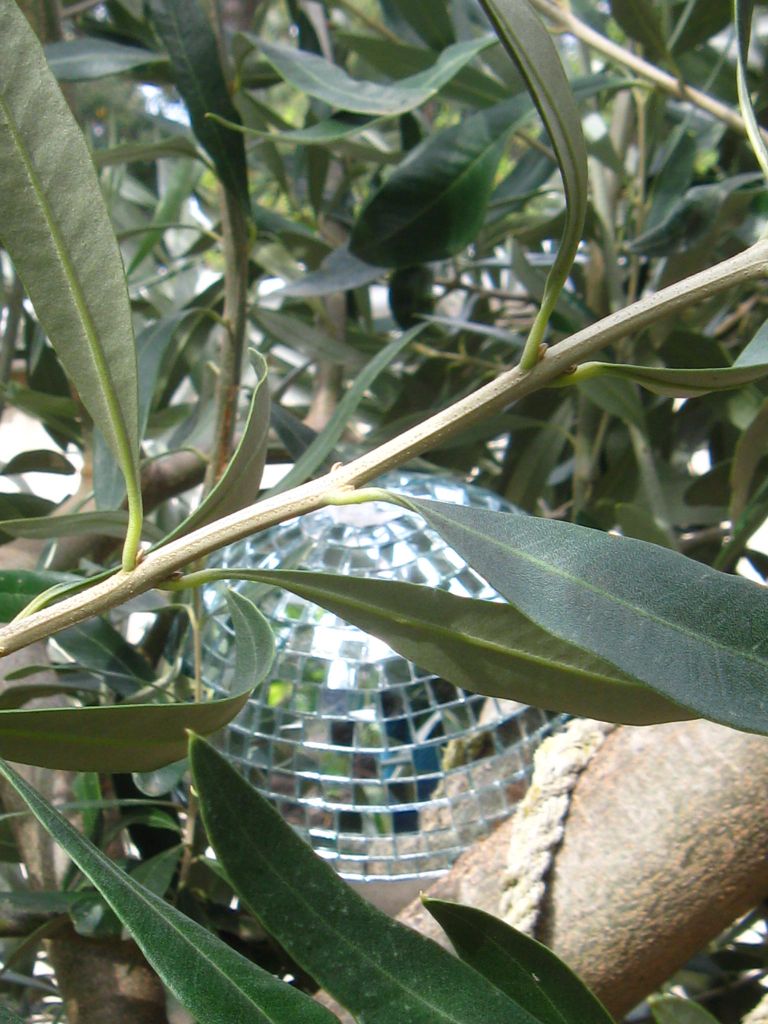
These cheeky vandals are fearless.  Nothing works for long, so the plan here is to change methods all the time.  In the olive tree, I have a disco ball and a swinging CD and the fig has a shiny set of wind chimes. Last year I had plastic shopping bags rustling in the branches but as these are not environmentally friendly,I try not to use them. Christmas tinsel, owls on sticks with glass eyes, balloons, hawk kites, dogs trained to see the parrots off - I tried them all at different times. The new addition to my arsenal is Mr Scary, made by my grandson, Christopher. He’s been out there a couple of weeks now and the parrots haven’t been seen landing on him – yet! He certainly scares me when I pass him at night!
It is possible to protect some fruit by bagging. I use paper bags tied with string as they are biodegradable. You can mad bags that last with net curtains or shade cloth. Plant clips or pegs can be used to close them. If the weather becomes wet, check for mould and mildew on your fruit, especially grapes.
You can get one step ahead of the parrots with fruit that will ripen off the tree, like quinces, by picking them when the first parrot damage appears.

Tree house
Dwarf and young trees can be protected by sewing a cube of shade cloth with one side left open. Measure the height of your tree, adding 15 cm to allow a little room and cut 5 squares of shade cloth. Sew together with a bodkin or upholstery needle, threaded with string or nylon knitting yarn, using a simple running stitch.
Hammer four stakes in a square of the same size into the ground around your tree, carefully avoiding the roots. Slip the shade cloth over so the corners of the top rest on the top of the stakes. If the cloth doesn’t reach the ground, hammer the stakes in a little more. Weigh the bottom down with bricks or timber or peg with loops of fencing wire. This will keep rabbits out for a while too.
My worst strategy ever was to provide the birds with extra food. Every parrot for miles arrived to squabble and screech outside the window. They lost all fear of people, seeing them as a food source. As the feeder was next to the chicken pen, they soon noticed there was food to be had there too and began to steal wheat from there as well. With the black cockatoos flinging gum nuts to land like rocks on the tin roof on the other side of the house it was like starring in a Hitchcock movie.


The truth is, I can be a bit lax about controlling pests as I am rather fond of all the wildlife in my garden, even the twenty eights. The fact that they are here, with the beetles and praying mantis, the frogs, the blue tongues and the gecko's mean my garden is a safe haven for everyone. Before we build the front wall we used to have kangaroos visiting too The reality is that we grow more than we can ever eat, why shouldn’t they have their share too?

Tuesday, April 27, 2010

All by myself

Tempeh is a mystery to most people. Until Amita fell in love with it and the processes of making it, it was to me too. Last winter I spent a lot of time researching, experimenting, testing and writing.
Tempeh is a special food product, especially for vegans and vegetarians. It is an easily assimilated low fat protein that can help with weight loss and other health issues.
What I discovered was that it adapted to all sorts of recipes familiar to everyone. The texture of tempeh is meaty, chewy and satisfying and acts as a sponge to absorb any flavour and can be added as invisible protein boost for people wishing to gain weight or requiring high levels of nutrition during illness.
It's been another marathon battle with the computer with learning curves off the graph but I am happy to announce that my tempeh recipe book has wiggled its way into a pdf and is now available as an e book with full colour photographs.
For book information visit: http://www.nirala-naturally.com/.
For more on tempeh visit http://www.mrtempeh.com.au/.
Go on, have a look,
nirala

Monday, April 19, 2010

Growing green chickens

There is a lull in the garden at this time of year. As the summer breathes her last sigh, the beds are chaotic with lanky half dead tomatoes, basil going to seed and the last few brave flowers on the zucchini and capsicum. It seems there is little to eat at the moment but with the recent rains, my ‘chicken’ bed has sprouted madly. Two weeks ago I planted (if you can call banging seed heads together over the garden bed ‘planting’) the bed with coriander, mustard greens, rocket, parsley and Chinese spinach.

My chickens lead a penned life and so can’t forage for fresh greens. I try to address this by planting forage plants along the fences. They nibble on comfrey, red clover, silver beet and fennel. They get handfed other greens that grow wildly such as upland cress, nasturtium and dandelion and other useful ‘weeds.’

In summer when extra green feed is scarce I grow oat or wheatgrass in trays and in autumn fatten the roosters on sprouted lupins. The wheatgrass is grown from wheat soaked overnight then sown in seed trays in a commercial potting mix. When it reaches 10cm high, I put the tray into the pen and watch them graze. Before they begin to scratch and dig the seed out, I take it away. The wheatgrass will regrow in a few days. Two trays rotated allow ten chickens to graze every second day. I have a friend who grows his in half circle hanging baskets which he hangs on their fence, which prevents the scratch attack from happening.

To make the lupin sprouts, the lupins are soaked overnight and laid on kitchen paper which is kept moist until the first leaves are seen in 3 or 4 days. The sprouts are then vitamised with bran, bread scraps or stale biscuits. For some reason, they won’t eat them without putting them through the blender. Just too spoilt, I guess. Sprouting the lupins increases the protein content as well as giving them tasty greens.

I have just raided the chicken bed for our dinner, using the thinnings of mustard greens, coriander, baby nasturtium leaves and upland cress. They will make an ever so trendy green salad. In posh shops they are known as ‘micro herbs’ and command a massive price per kilo. They are not hard to grow so I guess it’s the fussy washing you pay for. The chickens won’t mind, they are all busy picking over the newly pulled sweet corn!
go well,
nirala


Monday, April 12, 2010

No festival blues

We have just returned from the Fairbridge Folk Festival. Looking through the photos I took, I notice that not one has a picture of any of the performers. Wondering about this, I realised that it is because Fairbridge is much more than music.
Every year since 1993, at Fairbridge Farm School, 100 kms south of Perth, music lovers have come together for a weekend of music, dance, street theatre, good food and heaps of fun.  The 5000 people who camp in the cow paddocks and on the oval or stay in the old school buildings are joined daily by up to 10,000 more day visitors, depending on the weather.

What is special to me is that this is such a safe event for families. From grandma in her deluxe caravan to the kids sleeping in their swags under the stars, all ages are catered for, and the growing number of young adults who have attended since they were tiny now have areas with events that cater for them. 
Each year there is something that doesn’t go quite to plan - it’s often the weather. Two years ago a sudden downpour literally washed a lot of tents down the hillside and filled others with mud. Last year the portaloos were in meltdown, unable to cope with the crowds. This year we had a fierce easterly wind arrive in the middle of the night to cause havoc. Tents were down, awnings flapping; no one got much sleep and woke to everything covered in yet another layer of dust.

Surprisingly, amongst all those tired people, I saw no evidence of bad temper. The evening before, some of the younger crew had been playing some loud music and their neighbours had bribed them with a whole packet of Tim Tams to get them to shut up (which they happily admitted when they wandered over to see what was happening at our camp.) The many small children around the place were watched for by everyone and there was only one child lost its’ parents for a short while. That is the easy camaraderie of camping.

The children who busk around the market stalls, more each day as they proudly show off the new skills they have learnt in workshops; the humility of the Burundi Childrens' Choir, so grateful to be welcomed to Fairbridge and to Australia; the Giant Seagulls, gently pecking the hand of a disabled girl and the men helping to push a wheelchair over the gravel, it is the small acts at Fairbridge restore my faith in human beings.

Oh, the music was amazing too!
Happy camping,
nirala


See more about Fairbridge : www.fairbridgefestival.com.au


Monday, April 5, 2010

Picking for pectin

The quince outside the kitchen window has the most magical flowers looking like enormous single apple blossoms with a blush of pink and a delicate scent. As it grows in the chicken pen and gets the overflow from their water bowl and the garden sink, it thrives. This year we picked 21 kgs, leaving the highest fruit for the parrots, who adore them too.
Preparing quinces for cooking is a tedious job. You need to rub them under running water to remove their fuzz before peeling and coring. Cutting out the core of a quince is rather like trying to saw your bread board in half with a vegetable knife - hard and woody.
After I had made four and a half kilos of quince paste and a quince crumble, I was well over processing quinces. Fortunately, you can pick quinces green and they will ripen off the tree, so I left the rest for a couple of days while I did some research and scrubbed the sticky goo off the kitchen walls.

My trusty Times Life preserving book mentions that you can make pectin out of quinces, as well as apples and as I use pectin often, I was happy to try.


Pectin
4.5kg quinces or apples
Water to cover

Roughly chop the washed fruit, including the peels, cores and seeds.
Place in a large pot and barely cover with water.
Bring to the boil then reduce heat and simmer till soft.
Drip contents through a jelly bag, at least overnight.
Return to the clean pan and boil until the quantity has reduced by half.

Test for pectin...exciting

You can test how strong the pectin content is by putting a teaspoon of juice into  bowl and mixing in two tablespoons of methylated spirits.
Swirl together.
If the pectin content is low, small separate lumps will form. Juice high in pectin will form one large mass.
Discard the mixture from the bowl...don’t attempt to eat it.
If the set is not strong, continue to reduce the liquid and test again.
Filter through muslin before bottling.

Pour into sterilised bottle and seal or freeze in ice block trays

To use:
Rule of thumb, according to the book, is 150ml of pectin to 1.25 litres of fruit juice for making jelly. It should be enough for 2kg of soft fruit when making jam.

Quince pectin has the lovely red colour of cooked quince and a distinctive flavour. It is particularly good with berries, pears and apples.

Happy preserving

nirala

Tuesday, March 30, 2010

Adventures with a cucumber

I am a sucker for new home remedies. A friend has sent me an article that had recently appeared in the New York Times as part of a series ‘Spotlight on the Home’, entitled ‘The Amazing Cucumber.’ It gave a list of 13 ‘creative and fanciful ways to solve common problems.’ I just had to put them to the test.


I am rather a cucumber fan. For years I disgusted my children by eating toast topped with peanut butter and cucumber for breakfast every day.

Cucumbers contain many nutrients, the only problem being that they are present in such small amounts that were you eating only cucumbers, to get the recommended allowance of those nutrients you would need to eat 100 times the recommended serving size, about five kilos, every day. You could just eat the peel; this is where most of them are found. The serving size this data is based on is 52g of unpeeled cucurbit which funnily enough cuts into 13 slices.

Sneaking around the house with my 13 slices hidden in a bowl, I started by rubbing my bathroom mirror with a slice to prevent it fogging up ... since then no one has used the hot water so I’m not sure this will work. There certainly wasn’t any spa like fragrance wafting around as I had been promised. While there, I rub a slice on the crows feet around right eye, leaving other eye cucumber less for a true before and after test. One more slice is vigorously applied to the inner right thigh where it is going to work a miracle on cellulite.

On to clean the stainless steel in the laundry and shine my shoes. I think I can use one slice for each of these tasks. If anyone catches me at this, my name will be mud, again!

Back to the computer to check the list. The next item was about removing pen marks from surfaces. My walls and window trims were pretty good until I deliberately scribbled on them with brown marker. The marker is gone but the cuc has left some lovely green marks I will have to explain.

Its afternoon tea time and two other handy hints say that the cucumber will stop snacking binges and act as a ‘pick me up’. I can eat a few, I just have to try and remember which ones I used to do the cleaning.

Slices of cucumber in an aluminium pie tin are reputed to keep pests off your garden. What about the pests that like cucumber and aren’t at all bothered by its reaction to the metal? The rabbits here would probably eat the tin too but I will give it a try - tomorrow, when it’s not raining.

An hour after eating most of the recommended serving I am still hungry and fading but my breath is sweet (holding a slice to the roof of your mouth for 30 seconds works, possibly longer than the 30 seconds you hold your mouth shut. I’ll wait till the next episode of coffee breath to try this, must remember to ask the coffee shop for ‘cuc ‘on the side.’)

I could have a G & T or four and test the hangover cure but I have a dirty sticky laundry to clean and one shoe that is a different colour from its mate. Half my face and one leg are sticky and I am too busy to try a cucumber steam inhalation or to test cucumber juice on a squeaky hinge. I’ll hop in the shower, test the mirror story, and gloat over the miracle of the missing wrinkles and tightened thighs. And no, you are not getting photos of the resultEnjoy,

nirala

Monday, March 22, 2010

Busy, living in paradise

The girls walk at the beach every Monday. Today there was grey sky, lightly drizzling. The 3.5 metre swell of the weekend has been replaced with a calm smooth ocean and piles of shiny brown seaweed. The bins were full and the beach was empty apart from a lone swimmer and a figure in black practising yoga on the sand.
We have just hosted a week long surfing carnival here. The main street, the road to the beach and the bakeries that open early have all been extremely busy. Wicked vans are camped in every secluded spot around town and the ones not so secluded act like they are invisible.
Saturday night saw a concert held on the town oval that lasted nearly eight hours. The stamina of these kids that subsist on a diet of pies, juice, early mornings, extreme sports and late nights, often accompanied by alcohol, is awesome. Sunday morning all to be seen of the hundreds of party goers were a few asleep under bushes around town and a few more buying juice at the supermarket.
This is a phenomenon that happens in Margaret River at least twice a year. The locals not smitten by waves batten down the hatches and stock up on bread and milk the Thursday before while businesses keep extra staff on call.
I used to resent the intrusion to 'my town' and while the noise and rubbish do annoy me, I have come to appreciate these events that many of the local teenagers look forward to. Being three or more hours from the city, they don't often have the opportunity to party in large groups, meet new people, hear new bands and blow off steam. There is definitely an air of excitement all week - a buzz in the air from all the gorgeous young people having fun.
Today, the pace was slower. The sound disturbance from the concert had been negligible, the marquees on the point are being dismantled and the shire had extra people out on the litter run. The occupants of the last van in the car park had woken by the time we had finished our coffee and were enjoying their breakfast with the best view in the world. The one we are lucky enough to enjoy all year. We can go back to being a sleepy country town now, until Easter, any way!
Meanwhile, the garden and I are enjoying the rain,
nirala

Monday, March 15, 2010

Stop the press...twice!


Just a quick note to congratulate the Purchon clan and welcome two new babies. A girl and a boy were born safely this weekend within a day of each other. Well done everyone especially the two first time mums and the first time grandma.


Lots of love to all, nirala

Saturday, March 13, 2010

Licking fingers

The sweetcorn is almost the last man standing in the garden at the moment and for the first time in years we have a successful crop. The scorching Indian summer has seen almost every other vegetable bolt to seed, succumb to mildew or dry to a crispy brown. The farmers' Market today was a little quiet in the variety of vegetables but there was plenty of corn. I had been looking for inspiration for a barbeque and seeing the great green stacks reminded me of a recipe...

Smokey Corn Cobs

6 cobs of corn - must have the whole cob, preferably with a 'handle' for easy eating.


100gms salted butter, softened


4 tsp smoked paprika, Spanish if you can get it

4 drops of Tabasco

4 tsp light brown sugar


Blend the butter, paprika, Tabasco and sugar until you have a rich smooth orange spread.
Peel back the outer leaves of the corn, working around the corn until the cob is exposed and remove the corn silk.
Generously spread the cob with the butter mix. It should fall into the spaces between the individual corn seeds.
Begin to re wrap the corn in its husk, again working around the cob and smoothing over the butter.
Make sure that you have at least two layers covering the butter and then remove any green husks you didn't need.
Tear a strip from top to bottom from one of the discarded husks, about 2 cm wide and tie at the top of the cob. Trim the ends of the tie.
Continue with the rest of the corn.
Place the corn in the refrigerator until needed.


To cook, place on a hot barbeque grill, turning so it is evenly browned. You can also microwave the cobs but they tend to steam rather than roasting and you don't get the additional smoky flavour.

Let each person 'peel' their own cob to enjoy the caramelised spicy sugar and dripping melted butter.
Any extra butter can be served with the corn. Provide lots of serviettes, there will be plenty of sticky fingers!


Any extra corn husks can be dried and stored. Soak for an hour in warm water to revive and use them as a wrapper for tamales or any other steamed morsels.


Enjoy,

nirala

Tuesday, March 2, 2010

Return of the hubble bubble

You may remember that a while ago I set up a little trial to see if I could brew a natural citrus enzyme cleaner. Its been three months and a couple of days through the hottest summer on record and I reckon if anything is going to be fermented, it would have done so by now. There have been no signs of anything happening in the jar for a while now so I suspect it has gobbled up all its sugar and settled down. Time to open it up... I put it into a muslin lined sieve over a bottle to strain. The lemon chunks turned to lovely slime when I poked them with my finger. After it sat in the sieve for a while, there was almost nothing left except every vinegar fly in town had come to see what was happening! The smell is pleasant, fresh, lemony, slightly alcoholic and slightly drying to your skin. It looked cloudy at first but settled to a lovely clear liquid.


I set off with a little undiluted brew and some paper towel and tested it on glass, enamel, ceramic tiles, plastic, stainless steel and laminate flooring. It was brilliant on the stainless steel stove hood, cutting through the grease and a weeks dust easily and polishing up nicely with a dry piece of towel. Magic on the bathroom mirror too - no smears. Best of all was the dreaded shower screen where with a little extra elbow grease it cut through the build up of soap scum. The tiles and the laminate floor dried nicely, I was afraid that any remaining sugar residue may leave a sticky residue but it didn't.


I imagine that if you dilute the brew with hot water for greasy areas, you wouldn't have to rub quite so hard. For floor surfaces it is would be great used with a microfibre mop. I am going to add 1% of lemon scented gum essential oil to the bottle to add disinfectant and antibacterial propertiesto it and use it as an all purpose cleaner. It is certainly environmentally friendly and cheap and easy to make. I have another brew due next month that I have made with even less expensive white sugar.

You are not going to see before and after photos - I need to mop the other half of the kitchen floor; explain why one light switch is cleaner than the rest; why there is a nice clean circle of glass in the middle of the shower screen; why only the front of the stove and the handle of the refrigerator are clean. Who am I kidding? I'm the only one who will notice and I can ignore it for days if need be. I'm going to put on another brew to use up the last squishy lemons that would otherwise end up in the compost.

May your cleaning be painless,

nirala

Monday, March 1, 2010

Lessons on the river and in the garden

It's hot, its been hot for quite a few days in a row now. The gum trees, and some of the deciduous trees around us have responded by dropping copious amounts of leaves that soon build to a fire hazard if I don't rake them every couple of days. The garden is suffering, what hasn't been scorched has been attacked by mildew and fungus.

I went with some trepidation to look at the fig and the olive tree who grow near the back fence and receive little or no water all summer. They were thriving - it was near perfect conditions for them! Big juicy figs that you can barely get your hand around and branches beginning to bend with the first pickable crop of Kalamatas.

They were planted six, maybe seven years ago but were always overshadowed by the neighbours Marri trees. Sadly, last winter they cut down all the trees on their block, changing the conditions and the views for us. Azaleas and hydrangeas, clivias and violets all shrivelled in the bright and exposed conditions but the two slow and sickly trees began to pick up.

I had been planning to write about drying figs today but as the story of the trees emerged my mind began to think about the effects of change. Two days ago I stood on a barge and watched Nerys' ashes float downstream accompanied by a flotilla of roses. I stood with Nerys' eldest daughter, she had lost her Ma and I had lost my best friend and mentor. Everyone there was missing a huge part of what made them who they were.
It's always hard to grow up. How much harder is it when we lose our wise elders and have no magic touchstone when we need direction? We become the older generation so shockingly suddenly that we feel totally unprepared for the job. What we need to treasure is those facets of them that we have admired and take them for our own. We can call on the wisdom we know they would have applied to life and help each other remember.

Still, thanks to the neighbour who let the light in, the figs are ripe. Thanks to Nerys and my mother, and all the wise women in my life, I know how to pick and preserve them and how to cook with them too. I know about sticky fig sap and itchy fig leaves and what happens when you eat too many. This I can pass on to my grand daughter and hopefully I can learn to become her wise elder as we grow up together.


nirala

Monday, February 22, 2010

Not so scrappy after all


Behind my armchair I have a mountain of bags and boxes that are no longer hidden. They threaten to topple over the back and I fear that this would be the end of my yarn buying for a while. They contain various yarns for projects in progress, leftovers from projects past and for projects not yet imagined. I am a compulsive collector hoarder of craft materials and shiny things.


My daughter recently gave birth to our fourth grandchild. I have always welcomed the new babies with a handmade cot blanket. Never knowing the sex in advance, they have always been patchwork, multicoloured and bright. With a recurring family allergy to wool, they are usually made from cotton and bamboo or ramie blends of yarn. I can’t throw away the smallest pieces, the colours are so lovely, and these balls are a great way to recycle scraps. They are soft to touch and lightweight and they wipe clean with a damp cloth. The youngest children have either a ball or a cot toy made from off cuts and others have gone to jugglers and other peoples cats.


This is what you’ll need:

Newspaper

5 ply wool or knitting cotton scraps

A ball of scrap wool and a bodkin

Method:

1. Scrunch up the newspaper into tight balls. One double spread of The Australian is enough to create a large ball, a quarter of a sheet, the smallest.

2. Take the scrap ball of wool and begin to wind it around the newspaper ball, taking care to keep the ball as round as possible until the newspaper has disappeared under an even layer of wool. Tuck in the end securely. You should now have something that looks like a ball of wool.

3. Using the bodkin and a 5 ply thread, begin to chain stitch around the ball, fixing the stitches into the wool. When you come to the end of a piece of thread, finish it by threading a few running stitches across the winds of wool.

4.If you find that the wool is slipping as you embroider it, you can run some lines of running stitches over them at any time to help keep them in place.

5. Continue to embroider close rows of chain stitch to cover the ball. If you want to hang the finished ball, leave the ends of three rows as loose thread in the same spot and plait them together when the ball is finished. Trim any loose ends.

6. The balls are easily reshaped by rolling in your hand as you are working, so don’t worry too much if they don’t seem completely round.


During the last few difficult weeks, the process of making these little balls, their soothing roundness and the comforting repetition of the simple task of embroidery have allowed me a place of calm, of softness and quiet normalcy. They now fill a bowl on the table, their bright colours a happy focus in a time of sadness.

nirala